
St. Pauli's Match Cancellation: Implications for Bundesliga's Scheduling and Safety
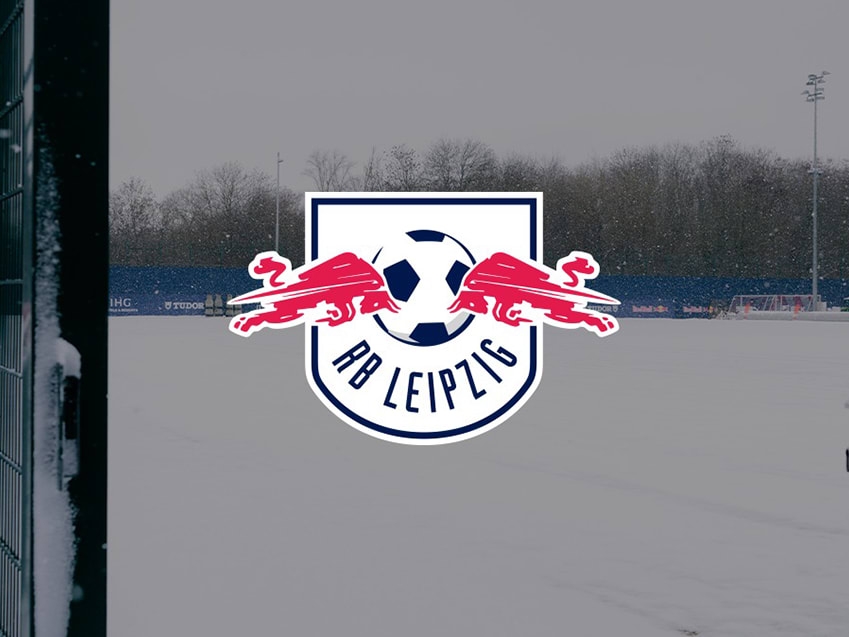
On January 10, 2026, the Bundesliga match between St. Pauli and RB Leipzig was officially canceled due to severe winter weather conditions. This decision, while prioritizing safety, has significant implications for the league's scheduling and the competitive landscape.

The Impact on Teams
The cancellation disrupts the rhythm of both teams, particularly for St. Pauli, who are fighting to avoid relegation. Missing a crucial match can affect their momentum and points tally, which is vital in a tightly contested league. The inability to secure points against a lower-ranked opponent like St. Pauli could hinder RB Leipzig's pursuit of a Champions League spot, where every point counts.
According to Bundesliga statistics, every match can be a turning point in the league standings. For St. Pauli, currently hovering near the relegation zone, the loss of an opportunity to earn points is particularly damaging. Meanwhile, RB Leipzig, although in a stronger position, must now strategize for their next fixtures without the benefit of this match to bolster their standings.
Fan Reactions
Fans expressed disappointment over the cancellation, especially those who traveled to support their teams. The emotional investment in attending matches is high, and such cancellations can lead to frustration and disillusionment among supporters. Social media posts flooded in with fans lamenting the loss of their planned game day experiences.
"Driving all the way to Hamburg just to find out the game is off is incredibly disappointing," said one St. Pauli fan, reflecting the sentiment of many who had made the journey. The emotional toll of such cancellations can lead to a sense of alienation from the league, as fans feel their loyalty isn't being reciprocated.

League Scheduling Challenges
This incident highlights the Bundesliga's ongoing challenges in managing match schedules amid unpredictable weather. The league must balance the need for a full season with the realities of winter conditions in Germany. The situation prompts discussions about potential adjustments to the schedule or contingency plans for adverse weather.
With climate change leading to more unpredictable weather patterns, leagues worldwide may need to rethink traditional scheduling practices. The Bundesliga, known for its passionate fan base and commitment to player safety, faces a particularly complex challenge as it tries to maintain a full schedule while ensuring the safety of players and supporters alike.
Conclusion
As the Bundesliga navigates these challenges, the focus will be on how to maintain competitive integrity while ensuring the safety of players and fans. The league's response to this cancellation will be closely watched as teams prepare for the next matchday. The importance of flexible scheduling and proactive measures in handling adverse weather conditions will become increasingly critical in the years to come.
For now, fans and teams alike must adapt to this sudden shift, hoping that the next matchday brings with it a return to normalcy and exciting football action.
For further details on Bundesliga fixtures and updates, visit Bundesliga's official website.