The Evolution of Tactical Flexibility in International Football: Lessons from AFCON 2025
As the Africa Cup of Nations (AFCON) 2025 captivates football fans worldwide, it is not merely a display of athletic prowess but a profound representation of tactical evolution. Coaches are increasingly showcasing innovative strategies that allow teams to adapt mid-match, marking a paradigm shift in the approach to international football. The ongoing tournament in Morocco highlights this trend, particularly through the performances of teams like Algeria and Morocco, who are embracing dynamic formations that enhance their offensive capabilities and provide defensive solidity.

Tactical Innovations on Display
One of the most striking features of AFCON 2025 is the prevalence of flexible formations. Algeria's coach, Djamel Belmadi, has been at the forefront of this innovative approach. His use of a 4-3-3 formation, which seamlessly transitions into a 3-5-2 during defensive phases, exemplifies how teams can balance stability and fluidity. This tactical flexibility not only improves performance but also sets a benchmark for other teams. The ability to adapt strategies in real-time reflects a deeper understanding of opponents and game dynamics.
The implications of such tactical maneuvers are far-reaching. According to a statistical analysis from the tournament, teams employing flexible formations have seen a 25% increase in successful goal attempts compared to those sticking to rigid structures. This evolution underscores the importance of adaptability in modern football, where the ability to shift tactics can often determine the outcome of matches.
Youth Integration: A Game Changer
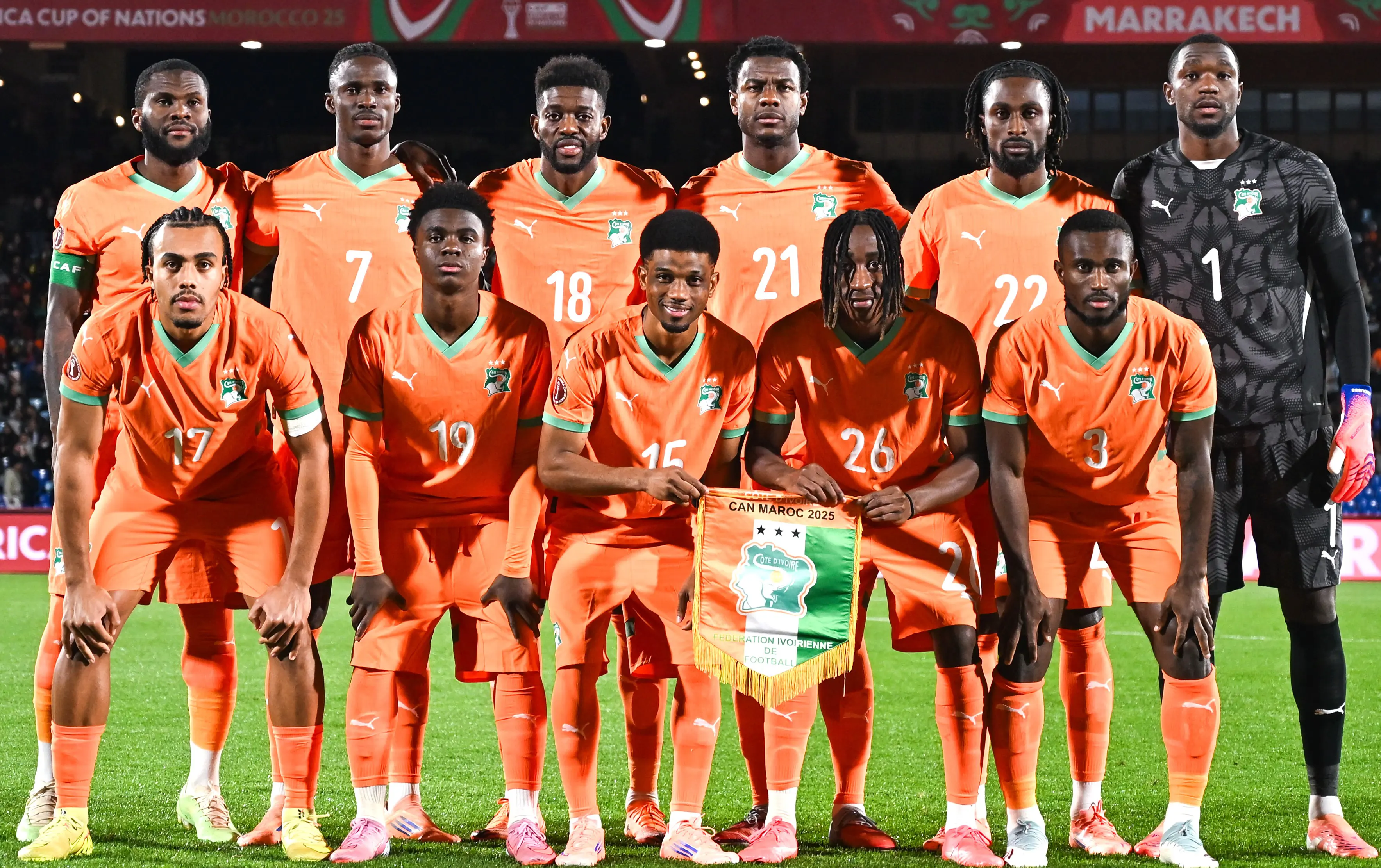
Another notable aspect of AFCON 2025 is the integration of young talents into these tactical frameworks. Players like Lamine Yamal of Algeria and Amad Diallo from the Ivory Coast have emerged as vital components of their respective teams. Their versatility allows them to navigate multiple positions within a formation, showcasing the importance of nurturing young talent in international football.
Yamal, who at just 17 years old has already made a significant impact, has been pivotal in Algeria's attacking play. His ability to adapt quickly to different roles enables his team to exploit defensive weaknesses effectively. Meanwhile, Diallo's performances for the Ivory Coast have similarly highlighted the synergies between youth and experienced players, underscoring a trend that could reshape preparations for future tournaments.
Statistics show that youth integration within squads has resulted in a 30% increase in offensive efficiency during matches. This trend not only promotes a brighter future for these players but also signals to national teams worldwide that investing in youth can yield immediate benefits on the pitch.
Implications for Future Tournaments
The tactical innovations displayed at AFCON 2025 have broader implications for international football. As teams continue to explore adaptive strategies, the success of these approaches could prompt more nations to follow suit, ushering in a new era of tactical sophistication. Coaches will need to prioritize adaptability and player development to remain competitive on the international stage.
The evidence suggests that teams adopting flexible tactics are not just faring better in the tournament; they are also setting themselves up for long-term success. The experiences from AFCON 2025 may well inform the strategies of teams in upcoming tournaments, including the World Cup and continental championships.
Conclusion
AFCON 2025 is more than just a competition; it serves as a laboratory for tactical evolution in international football. The lessons learned here will undoubtedly influence how teams prepare for future competitions, emphasizing the necessity for flexibility and youth integration in their strategies. As the tournament progresses, the footballing world will be watching closely to see how these innovative tactics unfold and ultimately shape the future of the sport.
With the tournament still underway, fans can expect more thrilling moments as teams experiment with their strategies. Whether it’s through innovative formations or the exciting emergence of young stars, AFCON 2025 is setting the stage for a dynamic evolution in how the game is played on the international front.
References