
The Impact of AFCON 2025 on Emerging Talents: A Tactical Analysis
As the Africa Cup of Nations (AFCON) 2025 unfolds, the tournament is not only a battleground for footballing glory but also a showcase for the next generation of talent poised to shape the future of the sport in Africa and beyond. Teams like Morocco and Senegal have captivated audiences not only with their performances but also with innovative tactics that emphasize the importance of young players. This article delves into how these emerging stars, under the spotlight of AFCON, are influencing their national teams and what this means for international football.

Tactical Innovations
Morocco's aggressive high-pressing strategy has garnered attention for its effectiveness and fluidity. Their tactical setup, which prioritizes quick transitions and front-foot pressing, has allowed them to dominate possession and dictate the pace of games. This approach not only makes them formidable opponents but also serves as a template for other nations looking to emulate their success.
Senegal, on the other hand, has showcased a more fluid attacking system characterized by dynamic movements and a well-organized defense. Their tactical versatility allows them to adapt to different match situations, making them a force to be reckoned with throughout the tournament. Such tactical innovations are reflective of a broader trend in African football, where teams are increasingly prioritizing strategic depth and adaptability.
The Young Stars Emerging
Two standout players have emerged from this tournament, capturing the imagination of fans and analysts alike: Lamine Yamal from Spain and Amad Diallo from Ivory Coast.
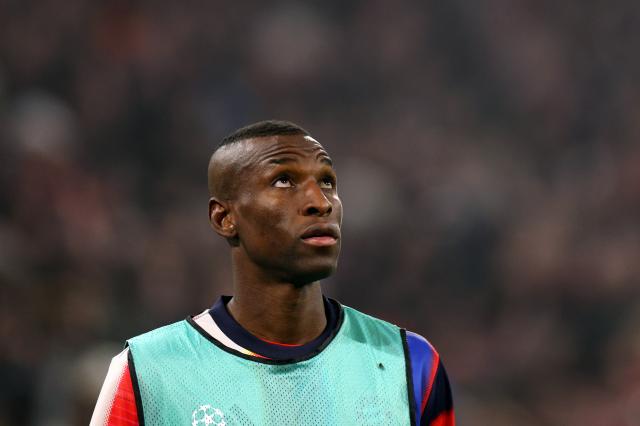
Lamine Yamal, at just 18 years old, has impressed with his ability to create scoring opportunities and influence matches significantly. His dribbling skills and vision on the ball make him a crucial component of Morocco's attacking unit. Diallo, equally exciting, utilizes his pace and technical ability to destabilize defenses, proving essential for the Ivory Coast's offensive strategy.
These young talents not only enhance their respective teams but also symbolize the potential of African football to cultivate world-class players who can compete at the highest levels internationally.
Implications for International Football
The performances of Yamal, Diallo, and their contemporaries at AFCON 2025 could reshape how European clubs approach scouting and recruitment. As these players gain invaluable experience in high-pressure matches, interest from top European leagues is likely to increase. This influx of young talent into global football circles will further elevate the profile of African football.
Moreover, the success of these players at AFCON could serve as a catalyst for increased investment in youth development programs within their home countries. The visibility provided by a tournament of this magnitude underscores the necessity for robust frameworks that nurture young talent from grassroots to professional levels.
Conclusion
AFCON 2025 serves not only as a competitive arena but also as a vital platform for emerging talents to shine. The tactical innovations displayed by teams like Morocco and Senegal, combined with the rise of young stars, are reshaping the landscape of African football. As the tournament progresses, all eyes will be on these players to see how they can elevate their national teams and inspire the next generation of footballers.
The world is watching, and the message is clear: African football is not just about tradition; it is rapidly becoming a beacon for innovation and talent development on the global stage.
Keywords
AFCON 2025, Morocco, Senegal, Lamine Yamal, Amad Diallo, tactical analysis, emerging talents, international football.
For more details on the tournament and its implications, check out The Guardian and ESPN.