
Referee Trends in Ligue 1: A Deep Dive into Yellow Cards and Penalty Decisions
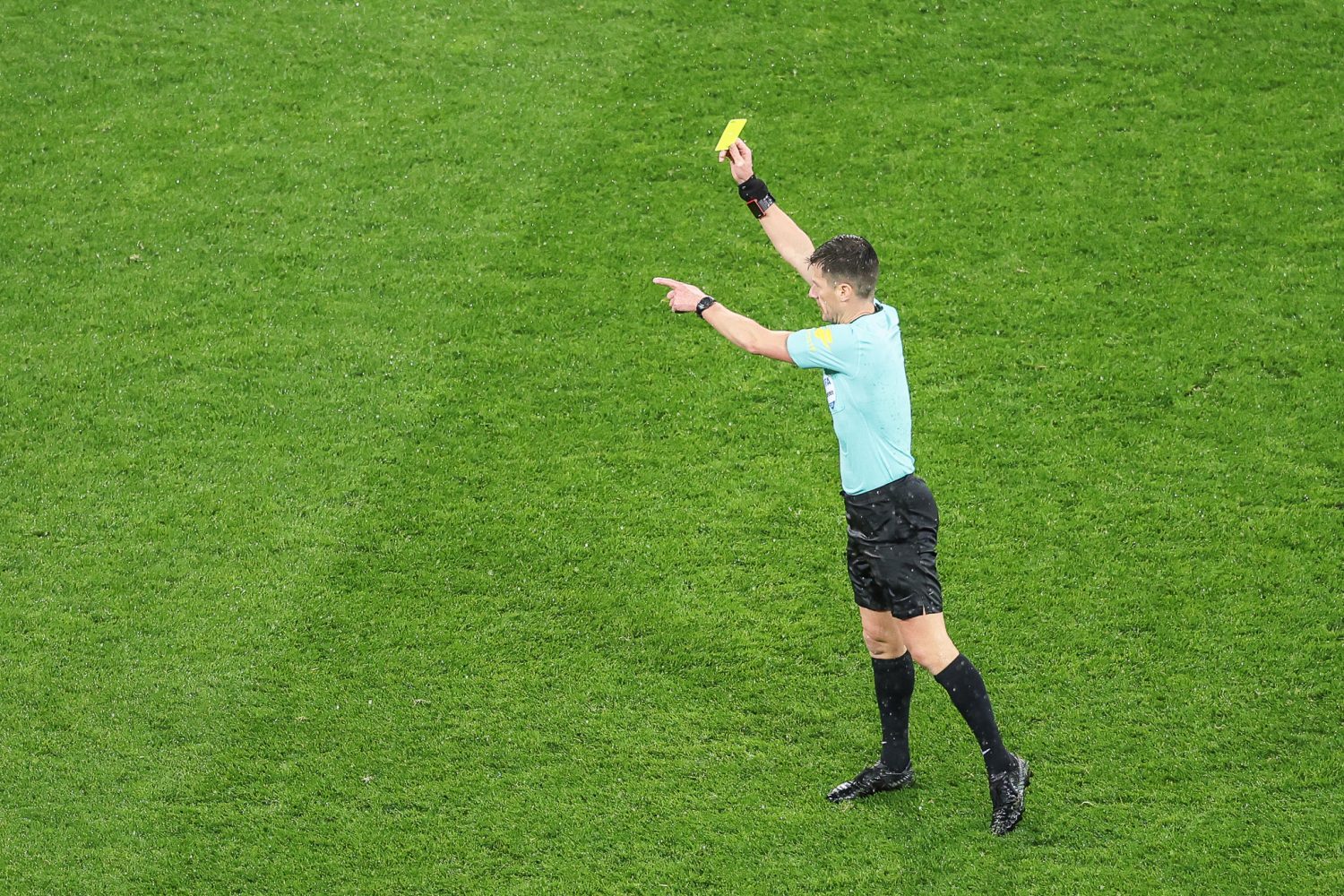
As the first half of the Ligue 1 season draws to a close, scrutiny intensifies around the officiating, particularly the performances of referee Benoît Bastien. Known for his proclivity to brandish yellow cards, Bastien's statistics reveal an intriguing narrative that may significantly influence match outcomes and player strategies. An average of 3.91 yellow cards per match places him well above the league's average of 3.53, prompting questions about the balance he strikes between player safety and the fluidity of gameplay.

Yellow Card Statistics
Bastien's card-happy approach has not gone unnoticed. His average of 3.91 yellow cards per match considerably exceeds the league standard, sparking discussions amongst fans and analysts alike. This tendency can create a ripple effect on team tactics; squads may find themselves adjusting their aggressive styles to mitigate the risk of bookings.
For instance, teams like RC Lens, who often rely on high pressing and physical play, might need to temper their approach when facing Bastien officiating. "We need to be mindful of how the referee interprets fouls. We can't afford to lose players to early bookings," commented a source close to the Lens management.
Penalty Decisions
Contrastingly, Bastien's penalty award rate tells a different story. At just 0.33 penalties per match, his figures slightly trail the league average of 0.34. This discrepancy raises eyebrows, particularly among clubs that thrive in the attacking third. Teams with a penchant for drawing fouls in the box might find themselves frustrated, feeling they are not receiving fair treatment in high-stakes situations.
The juxtaposition of high yellow card issuance with low penalty awards indicates a cautious approach in the penalty area. Teams such as Marseille, known for their attacking flair, may need to modify their expectation of winning penalties under Bastien's watch. Coach Gennaro Gattuso remarked, "It's vital for us to adapt; the last thing we want is to be hindered by a referee's style."
Implications for Teams
The implications of these officiating trends are profound. With teams unable to predict Bastien's decisions, coaches are under pressure to instill discipline among players. The fear of accumulating yellow cards may lead players to adopt a more conservative stance during matches, ultimately affecting the quality of play.
This shift in dynamics is particularly pivotal for teams like Paris Saint-Germain (PSG) and AS Monaco, who often capitalize on the fluid attacking play. A more tentative approach could stifle creativity, leading to less exciting matches and potentially impacting the title race.
Conclusion
As Ligue 1 moves toward the second half of the season, the spotlight remains on the officiating, particularly the trends embodied by Benoît Bastien. His distinctive style of officiating will continue to shape the landscape of the league as teams adjust their strategies. The balance between enforcing the rules and allowing the game to flow freely is delicate, and how clubs navigate these officiating nuances could prove crucial in their pursuit of league glory.
For more insights into Ligue 1 officiating and team dynamics, stay tuned as we continue to analyze the league's evolving narrative.