Bundesliga's Tactical Evolution: How Teams Are Adapting to Modern Football
As the Bundesliga enters the second half of the 2025 season, a remarkable transformation is taking place on the pitch. Teams are not merely focusing on the traditional tenets of football but are actively embracing modern tactical frameworks that leverage advanced analytics and innovative player roles. This evolution is not only reshaping the strategies employed by clubs but is also enhancing the overall competitiveness of the league, making every match a showcase of tactical brilliance.

Bayer Leverkusen's High Pressing Game
Under the astute guidance of their managerial staff, Bayer Leverkusen has adopted an aggressive high-pressing style, aimed at regaining possession quickly and capitalizing on opponents' defensive frailties. This tactic has proven particularly effective, with the team recording an impressive average of 15.3 recoveries in the final third per match. It's a statistic that highlights their relentless pursuit of the ball and their intent to create scoring opportunities from defensive errors.
Younger players like Florian Wirtz and Moussa Diaby have thrived in this fast-paced environment, demonstrating that Leverkusen is not just a team filled with talent but one that is actively shaping the future of their squad through dynamic, proactive tactics. This high-intensity approach is reflective of a broader trend in European football, where speed and adaptability are increasingly critical to success.
RB Leipzig's Fluid Formations
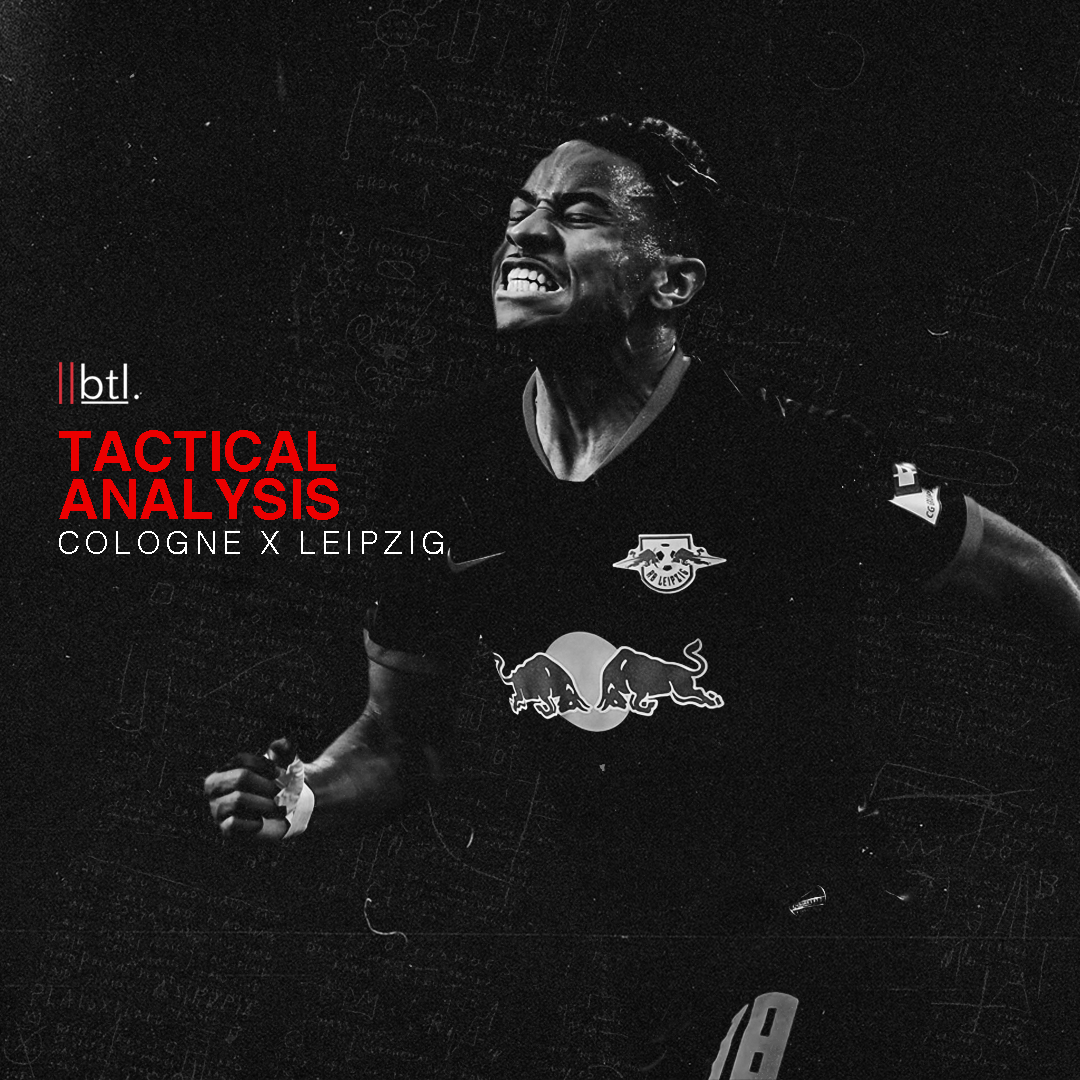
Just as Leverkusen is making waves with their pressing, RB Leipzig is turning heads with their creative use of fluid formations. The team has been experimenting with a dynamic 3-4-3 formation that seamlessly transitions into a 5-2-3 when defending. This ability to adapt on the fly provides Leipzig with both the stability needed during defensive phases and the attacking flexibility to exploit gaps left by opponents.
The tactical nous of manager Marco Rose has been instrumental in this evolution. His implementations have allowed Leipzig to capitalize on Bayern Munich's occasional lapses in concentration, positioning them well in the title race. For instance, in their recent match against FC Augsburg, Leipzig's fluidity allowed them to dominate possession and create numerous high-quality chances, attesting to the effectiveness of their tactical approach.

The Role of Analytics
The integration of analytics into training and match preparation is another cornerstone of the Bundesliga's tactical evolution. Many clubs are now utilizing data to inform their strategies, from player positioning to set-piece execution. The use of expected goals (xG) metrics is particularly noteworthy. Teams like Borussia Dortmund have refined their attacking strategies around these analytics, focusing on high-quality chances rather than sheer volume.
This data-driven approach has not only enhanced individual player performances but has also fostered a culture of continuous improvement within clubs. Coaches are more informed than ever about their squad's strengths and weaknesses, allowing them to tailor their tactical setups in real-time based on the insights gleaned from match data.
Implications for the League
As Bundesliga teams embrace these modern tactics, the implications are profound. The league's competitive landscape is becoming increasingly unpredictable, with clubs traditionally seen as underdogs rising to challenge the giants. This evolution is encouraging a more attractive style of football, with matches becoming showcases of skill, strategy, and athleticism.
The tactical shift also reflects broader trends in global football, where adaptability is increasingly essential. Teams now recognize that to succeed in both domestic and European competitions, they must be prepared to evolve continually. As Bundesliga clubs lead this charge, fans can look forward to a season filled with exciting, strategic football where each match offers new insights into the future of the game.

Conclusion
In conclusion, the Bundesliga is undergoing a tactical evolution that is reshaping how football is played in Germany. Clubs like Bayer Leverkusen and RB Leipzig are at the forefront of this change, employing modern strategies that prioritize pressing, fluid formations, and data analytics. As teams adapt to these innovations, fans can expect to see a league that is not only competitive but also a thrilling spectacle that captures the essence of contemporary football. The second half of the 2025 season promises to deliver more of the excitement that has come to define the Bundesliga.