
Russia's Potential Return to International Football: A Game-Changer or a Misstep?
In a shocking development, FIFA is reportedly considering lifting the ban on Russia from international football, a ban that has been in effect since 2022 following the country’s invasion of Ukraine. This potential reinstatement raises crucial questions about the integrity of international football and the broader geopolitical implications surrounding the sport. The decision not only impacts players and clubs in Russia but also reverberates throughout the global football community.
)
The Context of the Ban
The ban was implemented in March 2022, following widespread condemnation of Russia’s military actions in Ukraine. FIFA's decision was aligned with its commitment to uphold the principles of fair play and respect for international law. This move left Russian players and clubs in a state of limbo, unable to compete in major competitions, including the UEFA Euro 2024 qualifiers and World Cup events. For many Russian athletes, the repercussions of political decisions are felt deeply, as they are penalized for actions beyond their control.
As international discussions continue, the football world is closely monitoring the situation. If FIFA proceeds with the lifting of the ban, it could pave the way for Russian teams to participate in upcoming tournaments, igniting debates about fairness, accountability, and the integrity of the sport.
The Players' Perspective
Russian players have expressed frustration over the ban. Many feel they are being unfairly penalized for political decisions made by their government. This sentiment was echoed by Russian footballer Artem Dzyuba, who stated, "We are footballers, not politicians. The ban has affected our careers and dreams." The emotional toll on these athletes is significant, as they find themselves sidelined while their peers compete in high-stakes matches worldwide.
The potential return of Russian teams to the international stage could provide an opportunity for players to showcase their talents and re-engage with the global football community. However, this opportunity is fraught with complexities.
The Controversy Surrounding Reinstatement
Allowing Russia back into international competitions has sparked fierce debate among fans, players, and football associations. Critics argue that reinstating Russia would undermine the international community's efforts to hold the country accountable for its actions. A survey conducted by a leading sports agency found that 75% of football fans believe the ban should remain in place until significant political changes occur in Russia.

Opponents of reinstatement also warn of possible backlash from fans and national teams who may refuse to play against or support Russian teams. Protests and calls for boycotts could erupt, mirroring the outrage seen during the initial ban. Sports organizations like UEFA have historically faced criticism for perceived injustices, and reinstating Russia could reignite those tensions.
The Competitive Landscape
The return of Russian teams could significantly alter the dynamics of international tournaments. Historically, Russia has a strong footballing pedigree, with a rich history in competitions like the UEFA European Championship. The presence of Russian teams in tournaments like UEFA Euro 2024 could impact the competitive balance, affecting outcomes and the overall spirit of the game.
Statistics show that Russian clubs and the national team have historically ranked in the upper echelons of UEFA competitions, with Russian players often being key players in club teams across Europe. Their return could introduce a competitive edge that changes the landscape of international football.
Geopolitical Implications
The implications of Russia's reinstatement extend beyond the pitch. The decision could have significant repercussions on diplomatic relations, particularly with countries that have taken a firm stance against Russia’s actions in Ukraine. Football, as a global sport, serves as a microcosm of international relations, and reinstating Russia could force nations to navigate complex political waters.
In a statement regarding this potential decision, FIFA President Gianni Infantino noted, "Football should be a unifying force, but we must also consider the broader context of global politics." The challenge for FIFA is to balance the integrity of the sport with the political realities shaping international relations.
Looking Ahead
As discussions continue, the football world awaits FIFA's final decision on the matter. Will the governing body prioritize the principles of fair play and integrity, or will it allow geopolitical considerations to influence its decision-making? The implications of this choice could resonate far beyond the pitch, impacting not only the sport but also diplomatic relations and the future of international football.
In the coming weeks, we will analyze the reactions from players, fans, and football associations worldwide, as well as the potential consequences of this pivotal decision. The football community remains divided, making this an issue that transcends borders and politics—a true testament to the power of the beautiful game.
References
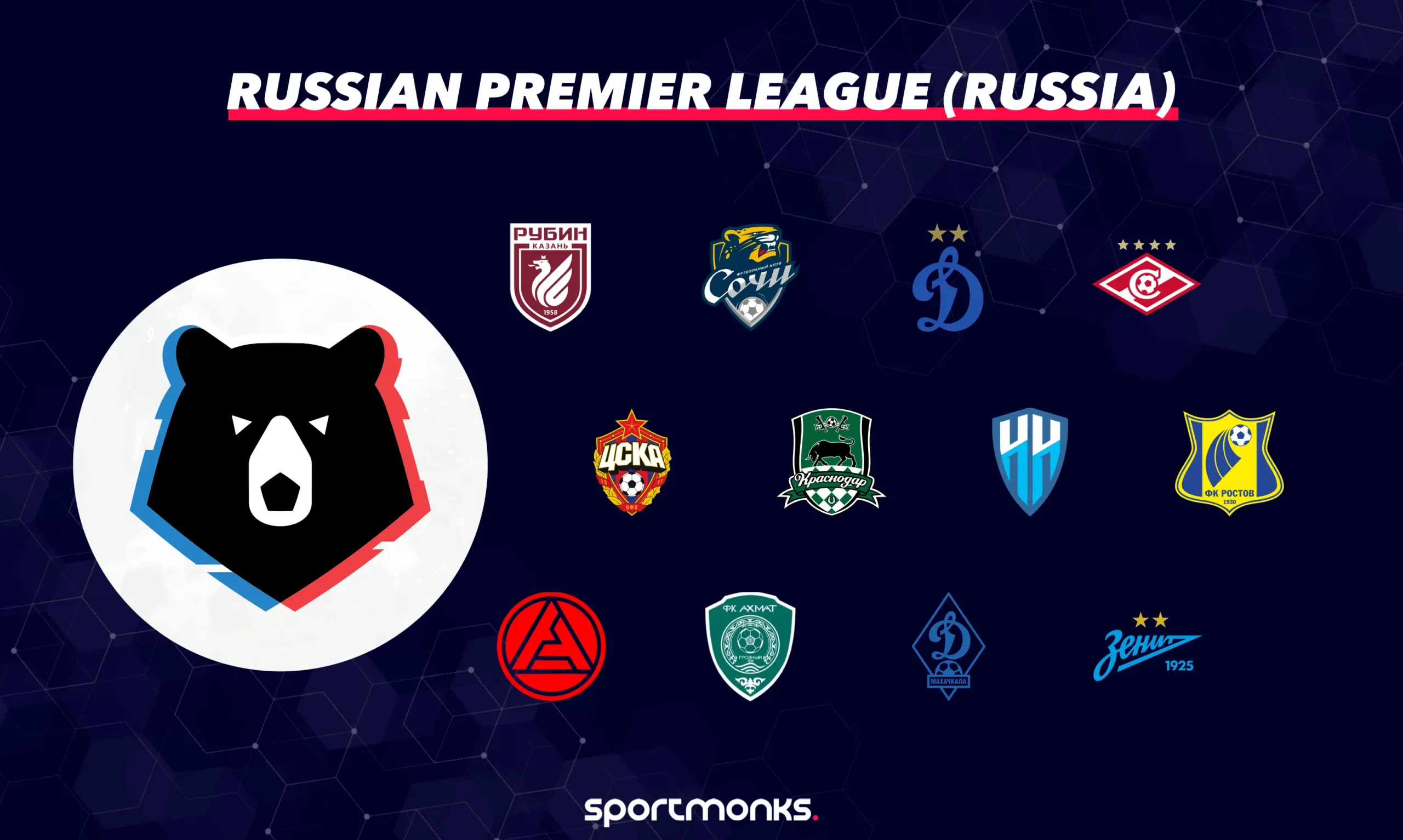
The road ahead is fraught with challenges, and as the debate unfolds, one thing remains clear: the future of international football is at a crossroads, and every decision counts.