
Chelsea's dominance in the Women's Super League (WSL) has become a focal point of discussion, not only because of their impressive performances but also due to the growing debate on the league's overall competitiveness. As they continue to set the benchmark for excellence, questions arise about the implications of such dominance on the league's competitive structure.
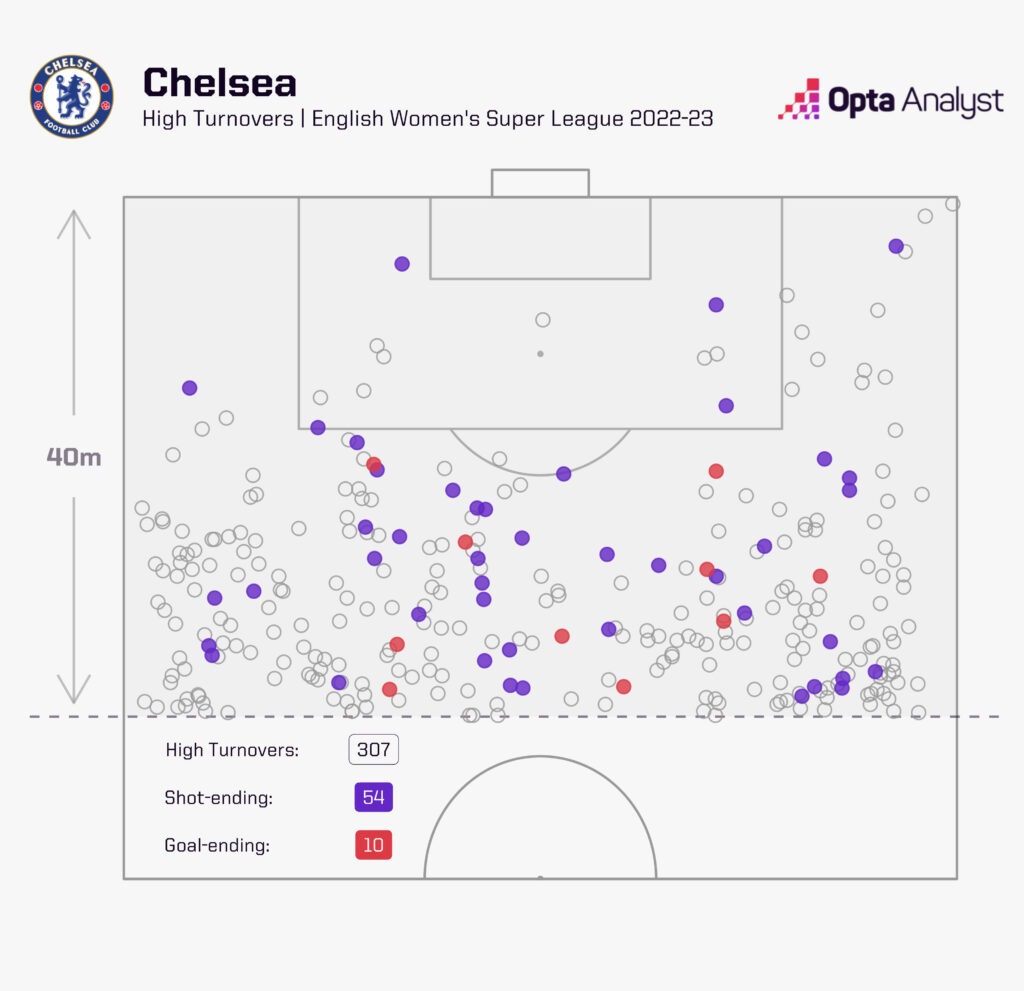
In recent seasons, Chelsea has consistently demonstrated their superiority in the WSL through a combination of tactical acumen and individual brilliance. Their use of a high-pressing system, coupled with fluid attacking play, has left many opponents scrambling to keep pace. The tactical setup orchestrated by Emma Hayes has been instrumental in Chelsea’s sustained success, with the team often dictating the tempo of matches and exerting control over the midfield.
A key factor in Chelsea’s tactical approach is their high pressing game. This strategy involves players pushing forward to apply pressure on the opposition as soon as they lose possession, aiming to win the ball back quickly. This relentless pressure disrupts the opposition's rhythm, often forcing errors and creating opportunities for quick counter-attacks. According to ESPN's analysis, Chelsea’s pressing success rate is among the highest in the league, a testament to their discipline and fitness levels.

Star players such as Sam Kerr and Fran Kirby have been pivotal in executing this high-tempo style. Kerr, with her impeccable timing and clinical finishing, has been a nightmare for defenders. Kirby’s vision and ability to exploit spaces with precise passes make her a linchpin in Chelsea’s offensive transitions. Together, they form a formidable partnership that has been integral to Chelsea’s attacking prowess.
However, Chelsea's dominance raises concerns about the competitive balance within the WSL. With their continued success, the gap between Chelsea and the rest of the league appears to be widening. As Goal reports, some critics argue that this disparity could diminish the league's appeal, as predictability in outcomes may deter fan engagement and investment in other clubs.
To address these concerns, there is a call for other WSL teams to enhance their strategies and investments. Increased financial backing and better infrastructure could help bridge the gap, allowing other teams to challenge Chelsea's supremacy. For instance, clubs like Manchester City and Arsenal are already making strides by investing in youth development and strengthening their squads with international talents.
Moreover, there is a growing emphasis on tactical evolution across the league. Teams are increasingly adopting data-driven approaches to analyze performances and refine their strategies. This shift towards a more analytical framework could level the playing field, providing teams with the insights needed to outmaneuver Chelsea’s well-drilled setup.

Emma Hayes, in an interview with The Guardian, acknowledged the need for the league to remain competitive, stating, "Our success should be a catalyst for other clubs to push forward, to innovate and invest. It's about raising the standards across the board."
The WSL's governing body also plays a crucial role in maintaining competitiveness. Implementing measures such as salary caps, fair distribution of broadcasting revenues, and incentivizing youth academies could foster a more balanced league. These initiatives would encourage parity and ensure that the WSL remains an attractive proposition for players and fans alike.
In conclusion, while Chelsea’s dominance is a testament to their quality and strategic prowess, it also highlights the need for a more competitive and balanced league. The challenge for the WSL is to harness this success as a driving force for growth, encouraging all clubs to elevate their game. As the league evolves, the hope is that a more competitive environment will emerge, benefiting players, clubs, and fans in equal measure.