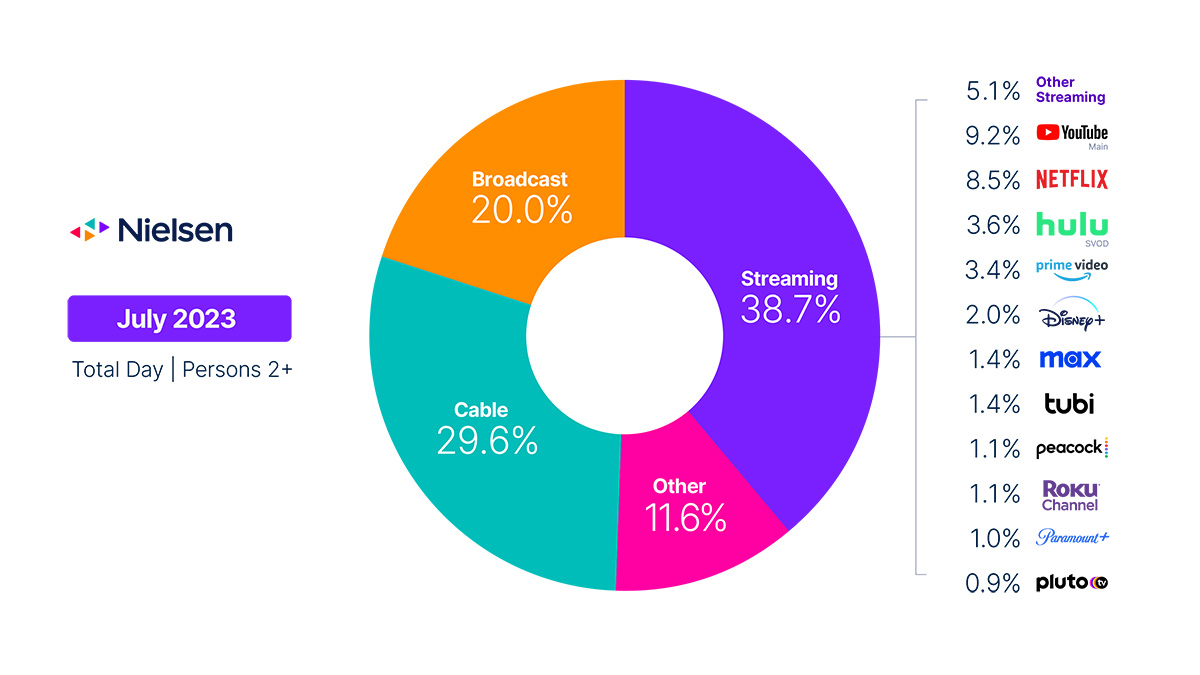
In the ever-evolving world of sports broadcasting, few leagues have experienced as significant a transformation as France's Ligue 1. As the football landscape shifts towards digital consumption, streaming platforms like DAZN and beIN SPORTS have become instrumental in reshaping viewership dynamics. This change not only influences how fans engage with the sport but also impacts the financial underpinnings of the league and its clubs.
The Streaming Surge in Ligue 1
The digital era has ushered in a new age of accessibility for football fans. Traditional television, with its rigid schedules and geographical limitations, is being supplanted by streaming services that offer global reach and on-demand convenience. Platforms such as DAZN have expanded their portfolios to include Ligue 1, providing fans worldwide with unprecedented access to French football. This shift is underpinned by the growing preference among younger audiences for digital platforms over conventional television.
A report from NewsNow highlights the dissatisfaction some club executives have with the current broadcasting arrangements. Lens president, for instance, criticized the French Football League's handling of their broadcast partners, suggesting that the deal with DAZN was "worse than Mediapro," the previous rights holder. This sentiment underscores the challenges and controversies surrounding the transition to digital platforms.
Traditional Broadcasters vs. Streaming Giants
The entry of streaming services into the football broadcasting arena has forced traditional broadcasters to rethink their strategies. Established networks like Canal+ and beIN SPORTS are now competing directly with digital platforms for viewers' attention. In response, these broadcasters are enhancing their digital offerings and attempting to integrate more interactive features to retain subscribers.
Despite these efforts, the allure of streaming services remains strong. The ability to watch matches live or on-demand, coupled with features such as multiple camera angles and in-depth analytics, provides a richer viewing experience. As a result, traditional broadcasters are under pressure to innovate continually and offer added value to their customers.
The Impact on Viewership and Revenue
The migration to streaming platforms has had a notable impact on viewership statistics. According to World Soccer Talk, fans have more options than ever before to catch their favorite teams in action. This diversification of viewing options can lead to increased overall viewership for Ligue 1, as matches become more accessible to international audiences.
However, this shift also presents challenges in terms of revenue. While streaming services offer expansive reach, the financial models differ from traditional broadcasting. Revenue from streaming is often based on subscription fees rather than advertising and sponsorships, which can lead to a more volatile income stream for the league and its clubs. Additionally, the fragmentation of broadcasting rights across multiple platforms can dilute brand visibility, complicating sponsorship deals.
Future Implications for Ligue 1
The future of Ligue 1 broadcasting lies in its ability to balance the benefits of digital innovation with the need for financial stability. Clubs must adapt to the new digital economy, leveraging data analytics and fan engagement tools to enhance the matchday experience both in-stadium and online. For example, interactive features that allow fans to participate in real-time polls or access exclusive behind-the-scenes content can deepen viewer engagement and loyalty.
Moreover, as Total Football Analysis suggests, the tactical side of the game is also adapting to these changes. Coaches and analysts are increasingly using data-driven insights to refine strategies and player performance, a trend that mirrors the data-centric nature of digital broadcasting.
Conclusion
The rise of streaming platforms represents a double-edged sword for Ligue 1. On one hand, it offers unparalleled opportunities to expand the league's global footprint and engage with a new generation of digitally savvy fans. On the other, it challenges traditional revenue models and requires a strategic overhaul of how the league and its clubs approach broadcasting.
For Ligue 1 to thrive in this digital age, it must embrace innovation while ensuring that the financial benefits are equitably distributed among all stakeholders. As the landscape continues to evolve, the league's ability to adapt will determine its success in the global football arena. The journey from traditional television to digital platforms is reshaping not just how we watch football, but also how the sport is played, enjoyed, and monetized around the world.