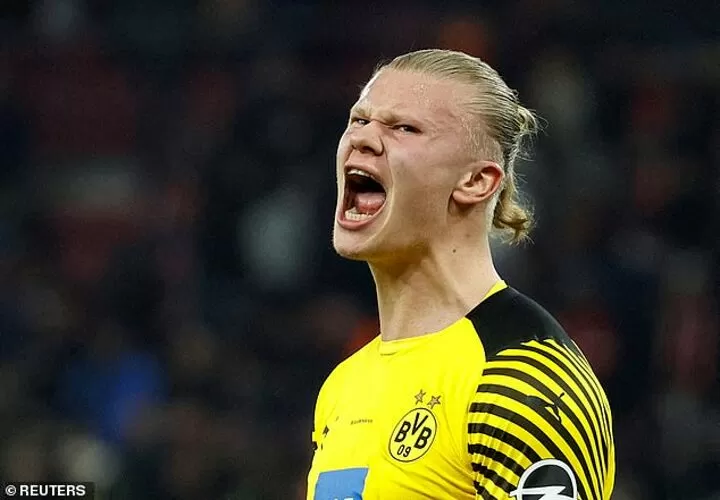
The Bundesliga's transfer market is once again alive with activity as clubs maneuver to strengthen their squads, aiming to strike a balance between nurturing home-grown talent and acquiring international stars. As the season unfolds, the strategies employed by Bundesliga clubs in the transfer market provide a fascinating insight into their long-term objectives and immediate needs.
Bayern Munich: The Perennial Powerhouse
Bayern Munich continues to be a dominant force in the Bundesliga, leveraging their financial muscle to attract top-tier talent. The Bavarian giants have been proactive in the transfer market, not only focusing on established stars but also keeping an eye on emerging talents to ensure the continuity of their success. Notably, Bayern Munich's pursuit of Joshua Kimmich illustrates their commitment to maintaining a blend of experience and youthful exuberance in their squad. Kimmich, who has evolved into one of the most versatile players in Europe, remains pivotal to Bayern's tactical setup, capable of dictating play from both midfield and defense.
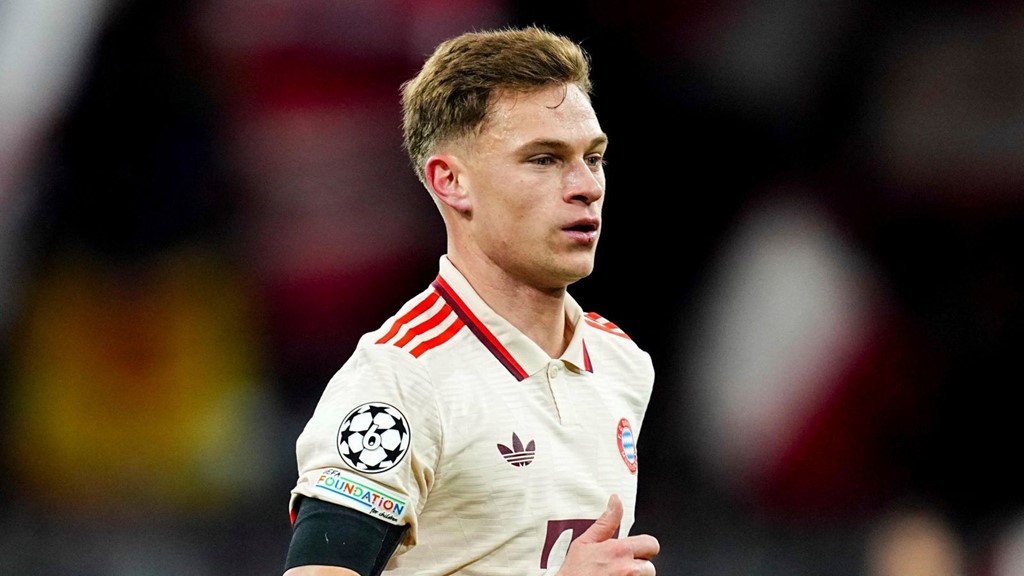
Their strategy is not just about buying talent but also about creating a sustainable model where young players can thrive alongside seasoned professionals. This approach has been integral to Bayern's dominance in both domestic and European competitions.
Borussia Dortmund: A Focus on Youth and Potential
Borussia Dortmund's transfer strategy remains centered on identifying and developing young talent. The club has been a launching pad for numerous young stars who have later become household names across Europe. Dortmund's scouting network is renowned for its ability to unearth potential stars and integrate them into their first team, offering them a platform to showcase their skills on the big stage.
Recent reports suggest that Dortmund's young midfielder, often compared to Toni Kroos, has caught the eye of Real Madrid, underscoring the club's ability to develop players that attract interest from Europe's elite. This focus on youth development is not only a testament to their philosophy but also a pragmatic approach to ensuring financial sustainability through transfer market profits.
RB Leipzig: The Strategic Contenders
RB Leipzig continues to employ a strategic approach to the transfer market, focusing on players who fit their high-intensity, pressing style of play. The club's model involves signing younger players with high potential and developing them into top performers. This approach has seen them become a formidable force in the Bundesliga, consistently challenging for top honors.
Their recent transfer activities reflect a commitment to bolstering their squad with players who can adapt to their tactical demands. By investing in specific profiles that align with their football philosophy, Leipzig ensures that their squad remains competitive both domestically and in European competitions.
The Tactical Evolution
The Bundesliga's transfer market is not just about player movements; it's about adapting to the evolving tactical landscape. As teams look to refine their playing styles, the demand for versatile players who can fit into multiple systems has increased. For instance, the role of ball-playing defenders has gained prominence as teams seek to build from the back and break through opposition presses with precision.

This tactical evolution is evident in the way clubs approach their transfer dealings. Data analysis plays a crucial role in identifying players who can seamlessly integrate into the team's style of play. Clubs are increasingly relying on analytics to make informed decisions, ensuring that each acquisition contributes to the team's overall tactical objectives.
Financial Considerations and Market Competitiveness
While the Bundesliga clubs are adept at navigating the transfer market, financial considerations remain a critical factor. The league's financial model, which emphasizes sustainability, means that clubs must be judicious in their spending. This contrasts with the financial powerhouses of the Premier League, where revenues nearly double those of the Bundesliga, allowing for more extravagant spending.
Bundesliga clubs often face the challenge of retaining their top talents amid interest from clubs with deeper pockets. This dynamic necessitates a keen understanding of the market and the ability to negotiate favorable terms that align with the club's long-term vision.
Conclusion: A League of Strategic Thinkers
The Bundesliga's transfer market is a testament to the league's strategic acumen and its clubs' ability to adapt to the ever-changing landscape of modern football. As clubs continue to balance financial prudence with competitive ambition, the Bundesliga remains a breeding ground for talent and innovation.
Each club's approach to the transfer market reflects its unique identity and strategic priorities. From Bayern Munich's blend of experience and youth to Dortmund's focus on development, and Leipzig's tactical precision, the Bundesliga exemplifies a league where strategic thinking and football excellence go hand in hand.
The transfer market dynamics within the Bundesliga are not just about acquiring players; they are about shaping the future of the clubs and, ultimately, the league itself. As fans, we can only watch in anticipation as these strategic maneuvers unfold on and off the pitch, setting the stage for another thrilling season of Bundesliga football.